

Alcoholism Misunderstood: 7 Facts to Clear Up the Confusion
So, it’s important to understand that stability within recovery can take time and ongoing maintenance. Don’t let social stigma or peer pressure stop you from avoiding alcohol. You may still need to be resilient and firm in your decision to remain alcohol-free, but know that you’re not alone. This may also help create a lasting impression on those around you, showing them that you have a business-first mindset that is not affected or distracted by alcohol. There may be pressure from colleagues, clients, and peers to have a drink to establish yourself as a part of the team or to help further client relationships.
Alcohol use disorder resources
To begin with, some people should never drink any alcohol whatsoever. If you’re pregnant, taking certain medications, recovering from heroin addiction a stroke, dealing with heart disease, or have any kind of liver damage, you should avoid alcohol completely. Additionally, genetic predisposition, environmental influences, trauma, mental health conditions, and social factors contribute to the development of addiction. These factors make addiction a challenging and complex disease to overcome.
One glass of red wine a day is good for your health
While metabolizing alcohol, the liver cannot perform its normal functions, one of which is keeping the blood sugar at a normal concentration. The results of this state called hypoglycemia, or lower than normal blood sugar. The change in blood vessels, as mentioned in Myth 3, can cause headaches. Lastly, a hangover is actually a “mini-withdrawal.” When the central nervous system is released from the depressed state, the opposite state develops-feeling edgy and irritable. The person who can drink large quantities of alcohol without feeling the “normal” effects may have developed a tolerance to alcohol. Tolerance comes from chronic use of alcohol that results in physical and mental adaptation to its presence in the body.
The order of your drinks doesn’t matter

Close family, friends, co-workers, children, and peers can all be affected by a person’s drinking problem. Watching a loved one change for the worse and become a completely different person can be a painful and stressful situation. This can have a direct myths about alcohol impact on their mental health and thoughts on the person.
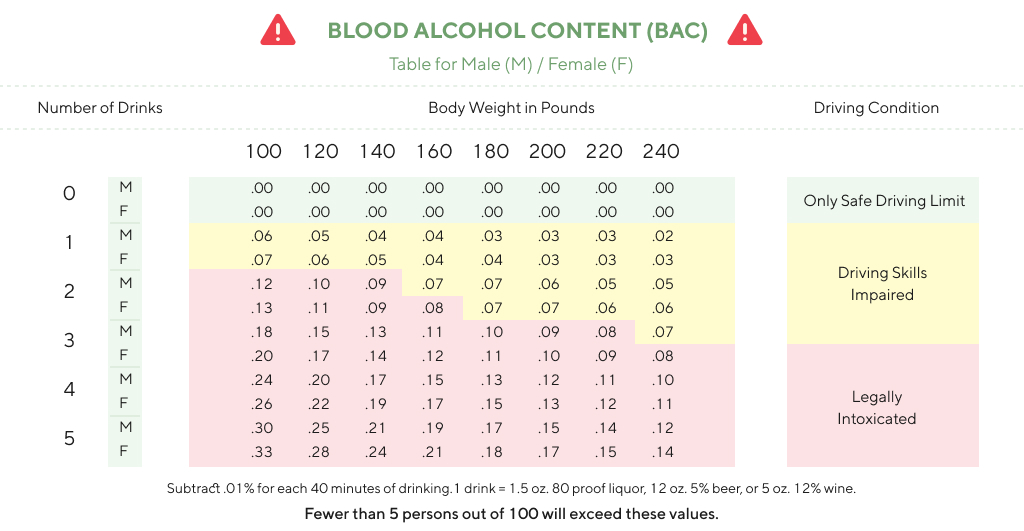
The effects of alcohol start sooner than people realize, with mild impairment (up to 0.05 blood alcohol concentration BAC) starting to affect speech, memory, attention, coordination, and balance. And if you are under 21, driving after drinking any amount of alcohol is illegal and you could lose your license. Critical decision-making abilities and driving-related skills are already diminished long before a person shows physical signs of intoxication.
- Your liver processes alcohol at a fixed rate, which is about one standard drink per hour.
- If you or someone you care about is struggling to control their alcohol consumption, it’s important to get help for the problem.
- The pervasive belief that coffee can counteract the effects of alcohol and sober up an individual is a dangerous misconception.
- As such, the most effective way to prevent a hangover is to monitor and limit alcohol intake.
- While some people seek help after experiencing dire consequences, many others can and do get help from an intervention after listening to the advice of family, coworkers, and others.
- Debunking these myths is more than just setting the record straight, it’s about encouraging hope, healing, and a path toward lasting change.
You’ll be more prepared to navigate business settings and questions without alcohol interfering with your mental function. The introduction and popularity of nonalcoholic drinks can help reduce the amount of alcohol people drink, whether they cut alcohol out of their lives completely or reduce how much they drink. This might mean outdoor activities, meetups with friends, and listening to shows or music in a way you hadn’t been able to do before, with the numbing effects of alcohol at play.
- Anyone can develop a drinking problem, no matter how old they are.
- Alcohol metabolism primarily takes place in the liver through oxidative pathways involving enzymes such as alcohol dehydrogenase (ADH), cytochrome P4502E1 (CYP2E1), and catalase.
- The person who can drink large quantities of alcohol without feeling the “normal” effects may have developed a tolerance to alcohol.
- Some may even be able to function while under the influence of alcohol; however, this is usually not the case.
- Doctors have studied what beer does to our bodies and it has been shown that it interrupts deep sleep, causes you to take up later on feeling bad and not rested.
As widespread as alcoholism continues to be, there are many misconceptions and… The first step is to know that your questions and feelings are normal. Personalized treatment plans are essential to address specific needs, goals, and co-occurring conditions. Yes, treatment is effective when tailored to an individual’s needs. Recovery is a process, and relapse does not mean failure but rather a need for adjustments in the treatment plan. Our licensed therapists, addiction specialists, and medical professionals are dedicated to helping you achieve lasting sobriety.
Foods that typically serve to make energy turn to fat and are kept in your body rather than the calories can serve as a quick supply of energy. Diabetes was recently named “a defining disease of the 21st century” by the medical journal The Lancet.In the United States, … The appearance of external hyperlinks does not constitute endorsement by the Defense Department (DOD) of the linked web sites, or the information, products or services contained therein. However, this process also results in heat being dissipated away from the body’s core, where it is needed most to maintain a stable internal temperature. Eventually, the stomach will empty from dinner and alcohol absorption will pick up again. Drinking on an empty stomach is never a good idea, but eating beforehand isn’t a free pass to pound shots, either.
The commonly held belief that mixing different types of alcohol leads to higher intoxication is not backed by scientific evidence. Instead, factors such as the total amount of alcohol consumed, the time span in which it is consumed, and the alcohol content of the drinks are the primary determinants of drunkenness. Popular sayings, like ‘beer before liquor, never been sicker’ and ‘liquor before beer, you’re in the clear,’ are more folklore than fact. It’s important to clarify that eating before drinking may offer a temporary moderation of blood alcohol concentration (BAC) increases, leading to a slower onset of alcohol’s effects.
No Comments